Painting from the Song, Ming, and Qing Dynasties
18 March 2026 – 18 April 2026
Cultural Introduction
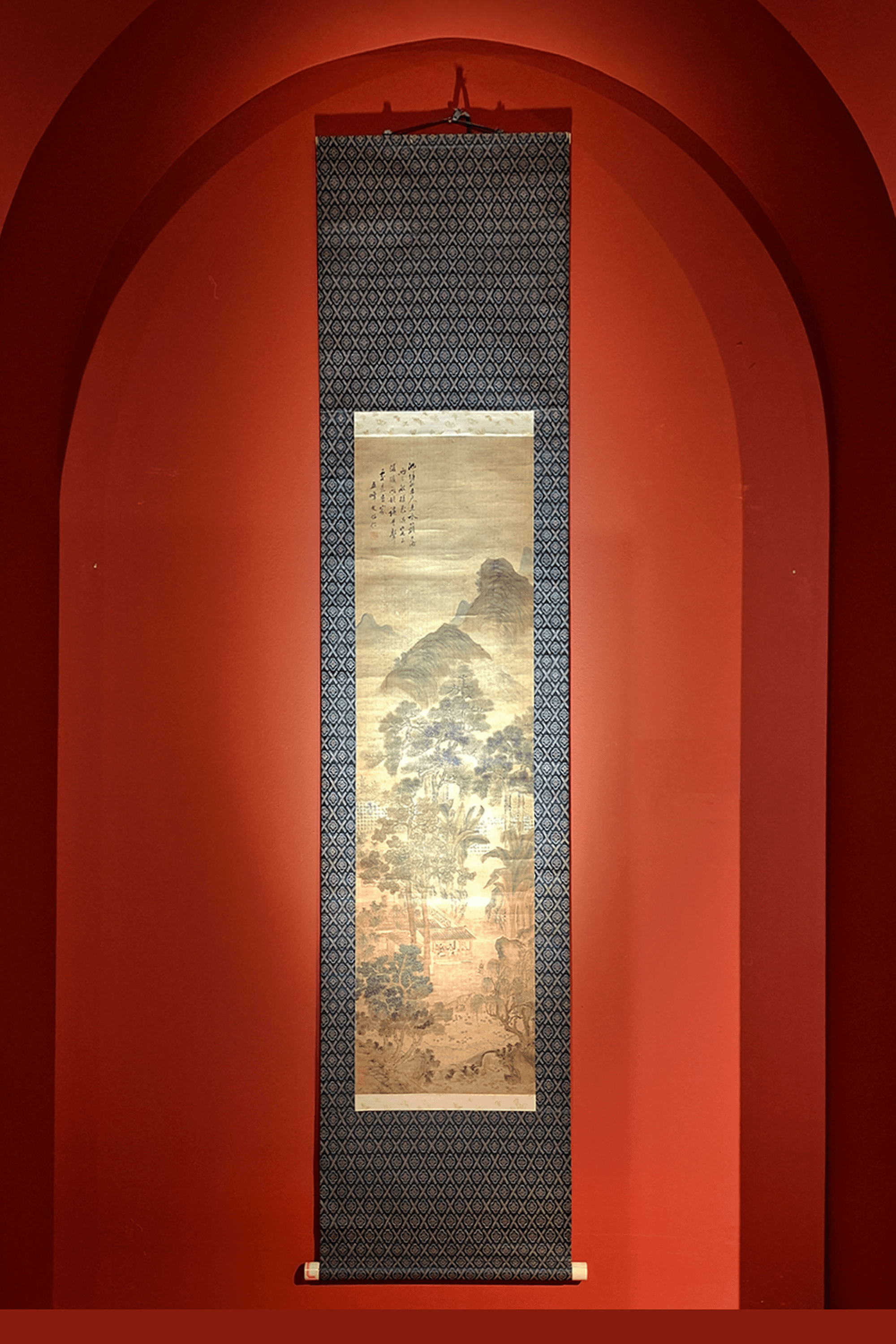
Paintings from the Song, Ming, and Qing Dynasties represent three of the most celebrated periods in the history of Chinese art, each with distinctive aesthetic values and artistic innovations. Song Dynasty (960–1279): Song painting emphasized realism, meticulous brushwork, and subtle use of color. Artists focused on landscapes, nature, and daily life, capturing serene beauty and philosophical depth. Works often reflect the harmony between humans and the natural world. Ming Dynasty (1368–1644): Ming painting embraced both literati and professional styles. Literati painting prized personal expression, calligraphic brushwork, and poetic resonance, while court painting displayed rich colors, intricate details, and ceremonial grandeur. This period saw a flourishing of figure, bird-and-flower, and landscape paintings. Qing Dynasty (1644–1912): Qing painting continued the literati tradition while incorporating bold experimentation and diverse techniques. Court artists produced elaborate works for imperial collections, while individual scholars and officials, such as He Shen (和珅), combined mastery of calligraphy with painting to create highly valued cultural artifacts. The Qing period reflects both refinement and innovation, balancing classical traditions with personal style.
Curatorial overview
This exhibition, proudly sponsored by the Singapore Palace Museum in collaboration with leading cultural institutions, presents a curated selection of paintings spanning the Song, Ming, and Qing Dynasties. Through this collection, audiences can trace the evolution of Chinese painting—from the refined naturalism of the Song, through the expressive literati and court styles of the Ming, to the sophisticated and diverse artistry of the Qing. Highlighting masterpieces by figures such as He Shen, the exhibition invites viewers to appreciate the aesthetic depth, historical richness, and enduring cultural significance of these classical Chinese works.